7 Seconds Is The Timed Flow Tap Sweet Spot
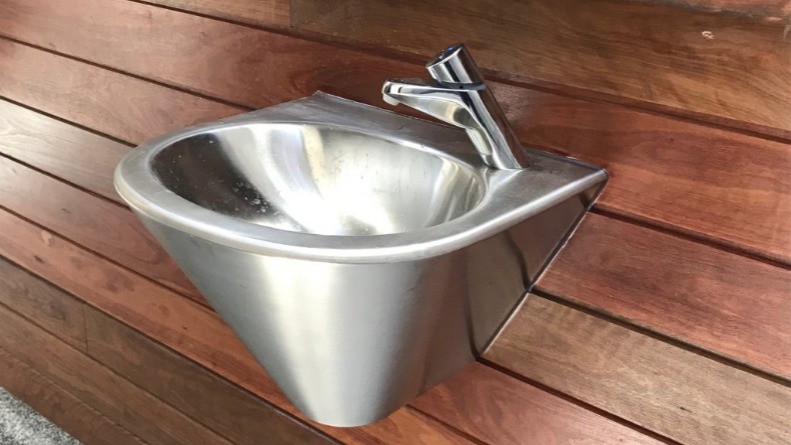
Timed flow auto shut-off taps save water, but if your public washroom’s timed flow tap is running too long or too short, you may be wasting water or annoying users.
The problem is that there’s no universal worldwide rule on how long a timed-flow tap runs for.
Some taps shut off in a rushed three seconds or less (forcing people to jab that button like they’re playing a video game), while others flow for 15 seconds, which makes you start wondering if they’ll ever stop running.
The Goldilocks Zone: Seven seconds.
Not too short. Not too long.
Seven seconds allows just enough time to lather, rinse, and get out — without needing to press multiple times or feeling guilty about water (and energy) wastage.
And guess what? Australia’s already nailed it. Most timed-flow taps supplied into the market for public, commercial, educational, and accessible facilities hover around seven seconds ±2.
It saves water, it works, and these taps are often WELS 6 Star rated.
Timed taps exist for three reasons:
- Save water — no more “oops I forgot to turn it off.”
- Stop germs — touch once, wash hands, walk away.
- Survive vandals — these things are built like tanks.
But none of that matters if people hate using them. A three-second tap turns hygiene into a slapstick routine. A 15-second one continues to flow long after many people have finished and walked away.
The good news in Australia is that the norm for our timed-flow taps is generally around seven seconds. So facility managers, architects, and plumbers don’t need to worry.
The planet can’t afford to waste more water. And whether we like it or not, users often don’t use those extra seconds of wash time.
7 seconds. The Goldilocks Zone.
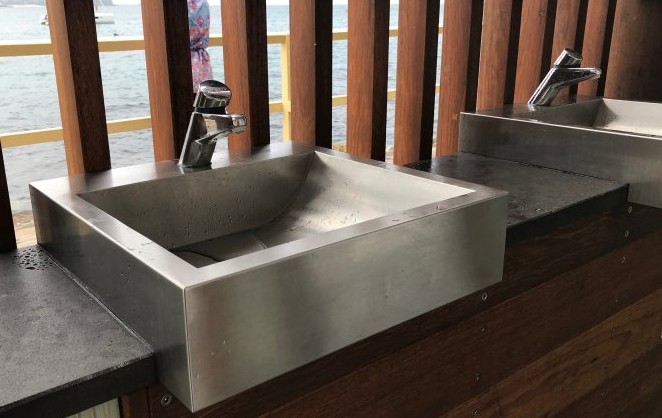
Where to use timed flow taps
Timed flow taps are installed wherever water efficiency, hygiene, and durability are important, especially in high-traffic public areas:
- Public amenities – parks, council facilities, airports, train stations.
- Sport & leisure facilities – gyms, aquatic centres, stadiums.
- Commercial buildings – offices and shopping centres.
- Education – pre-schools, schools, TAFE, universities.
- Accessible bathrooms – AS 1428.1 compliant installations.